Dil
Dil
 +86-15268315011


 İngilizce
 中文简体
中文简体 İspanyolca
 русский
Hidrojenlenmiş İzopren Polimeri (EP) Endüstriyel Kullanıma Yönelik Yüksek Performanslı Bir Malzeme Yapan Nedir?
Nedir Hidrojenlenmiş İzopren Polimer (EP) ?
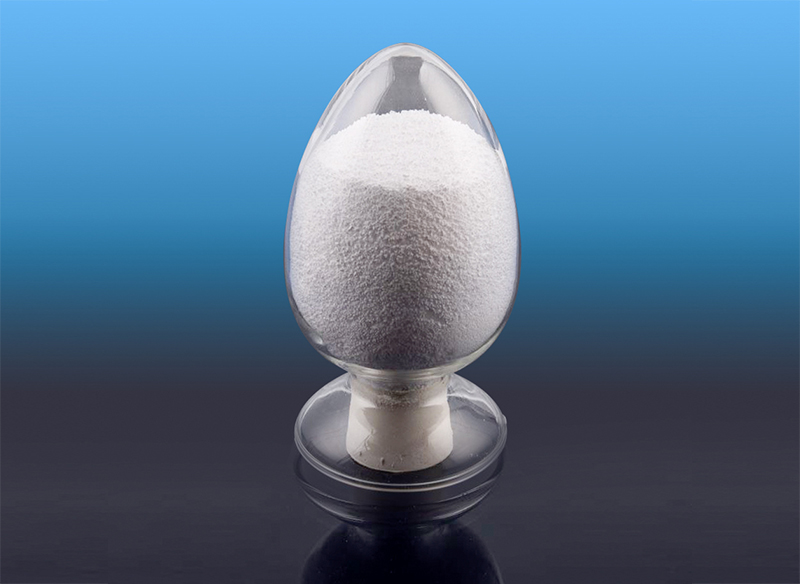
Teknik ve ticari bağlamlarda yaygın olarak EP olarak kısaltılan Hidrojenlenmiş İzopren Polimer, doğal kauçuğun polimer omurgası olan poliizoprenin katalitik hidrojenasyonuyla üretilen sentetik bir elastomerdir. Hidrojenasyon işlemi sırasında, izopren tekrar birimlerinde bulunan karbon-karbon çift bağları seçici olarak doyurulur ve doymamış öncüsüne kıyasla önemli ölçüde geliştirilmiş kimyasal ve termal stabiliteye sahip bir polimer zinciri elde edilir. Sonuç, kauçuğun elastik ve mekanik özelliklerini korurken doğal poliizoprenin sunamayacağı direnç özelliklerini kazanan çok yönlü, yüksek performanslı bir malzemedir.
EP, EPDM (Etilen Propilen Dien Monomer) ile karıştırılmamalıdır, ancak her ikisi de bazı direnç özelliklerini paylaşmaktadır. Hidrojenlenmiş İzopren Polimer, onu zorlu mühendislik uygulamaları için özellikle çekici kılan benzersiz bir esneklik, düşük sıcaklık performansı ve oksidatif stabilite dengesi sunarak daha özel bir niş kaplar. İzoprenden türetilmiş doymuş veya doymuşa yakın bir omurga olan moleküler mimarisi, sentetik elastomerlerin daha geniş alanında ona farklı bir kimlik kazandırır.
İzopren Polimerlerin Hidrojenasyonunun Arkasındaki Kimya
EP malzemelerini değerli kılan şeyin ne olduğunu tam olarak anlamak, bunların üretiminde yer alan kimyanın anlaşılmasına yardımcı olur. Doğal formundaki poliizopren, omurgası boyunca çok sayıda doymamış çift bağ içerir; özellikle doğal kauçuktaki 1,4-cis konfigürasyonunda. Bu çift bağlar, polimeri oksijen, ozon, ısı ve UV radyasyonunun saldırılarına karşı savunmasız hale getiren ve zamanla zincirin kesilmesine ve bozulmasına yol açan reaktif bölgelerdir.
Hidrojenasyon bu güvenlik açığını doğrudan giderir. Tipik olarak nikel, paladyum veya rodyum bileşiklerine dayanan geçiş metali katalizörleri kullanılarak, kontrollü sıcaklık ve basınç koşulları altında polimer çözeltisine hidrojen gazı verilir. Katalizör, çift bağlara hidrojen eklenmesini kolaylaştırarak bunları tekli C-C bağlarına dönüştürür. Hidrojenasyon derecesi, polimerin amaçlanan son kullanımına bağlı olarak kısmi doygunluktan tama yakın doygunluğa kadar değişen bir aralıkta hassas bir şekilde kontrol edilebilir.
Hidrojenasyon Derecesi ve Etkisi
Polimerin hidrojenlenme derecesi nihai özelliklerini doğrudan etkiler. Daha yüksek bir hidrojenasyon derecesi, daha fazla oksidatif ve termal stabiliteyle sonuçlanır, ancak aynı zamanda daha az reaktif bölge kaldığından vulkanizasyon sırasında çapraz bağlanma verimliliğini de azaltabilir. Bu nedenle üreticiler, direnç ve işlenebilirlik arasında doğru dengeyi sağlamak için hidrojenasyon seviyesini dikkatli bir şekilde ayarlar. Çoğu endüstriyel EP uygulaması için � veya üzeri hidrojenasyon seviyeleri standarttır; bazı özel kaliteler ise �-99 doygunluğa ulaşır.
EP'nin Temel Fiziksel ve Kimyasal Özellikleri
Hidrojenasyon işlemi izopren bazlı polimerlere ayırt edici bir özellik profili kazandırır. Bu özellikleri anlamak, belirli uygulamalar için malzeme seçen mühendisler ve formül hazırlayıcılar için çok önemlidir.
| Mülkiyet | Tipik Değer / Performans |
| Oksidatif Stabilite | Mükemmel — doymuş omurga oksidasyona karşı dayanıklıdır |
| Ozon Direnci | Yüksek - doğal kauçuğa göre önemli ölçüde üstün |
| Termal Kararlılık | İyi — ~150°C'ye kadar serviste stabil |
| Düşük Sıcaklık Esnekliği | Mükemmel — esnekliği -40°C'nin altında korur |
| Çekme Dayanımı | Formülasyona bağlı olarak orta ila yüksek |
| UV Dayanımı | İyi — poliizoprene kıyasla azaltılmış hassasiyet |
| Yağlarla Uyumluluk | Orta — aromatik yağa maruz kalanlar için önerilmez |
| Elektrik Yalıtımı | İyi dielektrik özellikler |
EP'nin öne çıkan özelliklerinden biri, geleneksel elastomerlerde elde edilmesi zor bir kombinasyon olan yüksek sıcaklık direnciyle birleştirilmiş olağanüstü düşük sıcaklık performansıdır. Bu geniş servis sıcaklığı aralığı, otomotiv kaput altı bileşenleri veya hem aşırı soğuğa hem de proses ısısına maruz kalan endüstriyel contalar gibi termal çevrimin yaygın olduğu ortamlarda onu özellikle kullanışlı kılar.
Hidrojenlenmiş İzopren Polimerin Endüstriyel Uygulamaları
EP'nin rafine edilmiş özellik profili, çok çeşitli endüstriyel ve ticari uygulamaların kapısını açar. Kullanımı, geleneksel elastomerlerin performans, uzun ömür veya kimyasal direnç açısından yetersiz kaldığı çeşitli sektörleri kapsamaktadır.
Otomotiv ve Taşımacılık
Otomotiv sektörü, hidrojene izopren polimerinin en büyük tüketicilerinden biridir. EP bazlı bileşikler, motor takozları, titreşim sönümleyiciler, burçlar ve contaların üretiminde kullanılır; bunlar sürekli mekanik strese, motor ortamından kaynaklanan yüksek sıcaklıklara ve yağlayıcılara ve temizlik maddelerine maruz kalmaya dayanması gereken bileşenlerdir. EP'nin üstün ozon ve oksitlenme direnci, bu bileşenlerin uzun servis aralıkları boyunca mekanik bütünlüklerini korumasını sağlayarak bakım sıklığını ve ilgili maliyetleri azaltır.
Tıbbi ve Farmasötik Uygulamalar
Hidrojenlenmiş izopren polimerleri tıbbi sınıf ürünlerde giderek daha fazla uygulama alanı bulmaktadır. Hidrojenasyon, doğal lateks kauçuğun bilinen bir sorunu olan hassas bireylerde alerjik reaksiyonlara neden olabilecek kalan doymamışlığı azalttığından, EP bazlı malzemeler tıbbi tüpler, tıpalar, kapaklar ve ilaç dağıtım bileşenleri gibi öğeler için daha güvenli bir alternatif sunar. Kimyasal inertlikleri aynı zamanda, istenmeyen bileşiklerin farmasötik formülasyonlara sızma olasılığının daha düşük olduğu anlamına da gelir; bu, mevzuata uygunluk için kritik bir gerekliliktir.
Yapıştırıcılar ve Sızdırmazlık Malzemeleri
Yapıştırıcı endüstrisinde, hidrojene izopren polimer, basınca duyarlı yapıştırıcılarda (PSA'lar) ve sıcakta eriyen yapıştırıcı formülasyonlarında temel bir baz polimer olarak hizmet eder. Doymuş omurgası, yaşlanmaya karşı mükemmel dirence katkıda bulunarak, yapışkan bağların dış mekanlarda veya yüksek nemli ortamlarda bile uzun yıllar boyunca sabit kalmasını sağlar. EP bazlı yapıştırıcılar, uzun vadeli yapışma dayanıklılığının tartışmasız olduğu tıbbi bantlarda, endüstriyel etiketlerde, koruyucu filmlerde ve inşaat sızdırmazlık malzemelerinde yaygın olarak kullanılır.
Tel ve Kablo İzolasyonu
EP'nin iyi dielektrik özellikleri ve hava koşullarına karşı mükemmel direnci, onu elektrik kabloları, özellikle de dış mekanda kurulum veya zorlu endüstriyel ortamlarda kullanım amaçlı olanlar için uygun bir yalıtım malzemesi haline getirir. PVC veya standart kauçuk yalıtımlardan farklı olarak EP bileşikleri, UV bozunmasına ve ozon çatlamasına karşı dayanıklıdır ve yıllarca dış mekana maruz kaldıktan sonra bile yalıtım bütünlüğünü korur.
EP'nin Diğer Sentetik Elastomerlerle Karşılaştırması
Belirli bir uygulama için bir malzeme seçerken, mühendislerin genellikle seçimi haklı çıkarmak için EP'yi rakip elastomerlerle karşılaştırması gerekir. Aşağıdaki karşılaştırma, hidrojenlenmiş izopren polimerin diğer yaygın sentetik kauçuklara göre nerede durduğunu vurgulamaktadır:
- EP ve Doğal Kauçuk (NR): Doğal kauçuk üstün mekanik mukavemet ve işlenebilirlik sunar ancak ozon, UV ve oksidatif yaşlanmaya karşı oldukça hassastır. EP, dış mekan ve yüksek sıcaklık uygulamalarında NR'yi kesin bir şekilde geride bırakıyor.
- EP ve EPDM: EPDM ayrıca ozona ve hava koşullarına dayanıklıdır, ancak etilen-propilen omurgası daha yüksek cam geçiş sıcaklıklarına neden olur. EP genellikle düşük sıcaklıkta daha iyi esneklik sunar, bu da onu soğuk iklim uygulamaları için tercih edilir kılar.
- EP ve SBR (Stiren-Bütadien Kauçuk): SBR, aşınma direnci nedeniyle lastik sırtlarında yaygın olarak kullanılır, ancak EP'nin oksidatif stabilitesinden yoksundur. Statik sızdırmazlık veya yapıştırma uygulamaları için EP, uzun vadeli daha dayanıklı bir seçimdir.
- EP ve Nitril Kauçuk (NBR): NBR, EP'nin yalnızca orta düzeyde olduğu yağ ve yakıt direncinde üstündür. Bununla birlikte EP, düşük sıcaklık performansı ve ozon direnci açısından NBR'yi geride bırakarak her malzemeyi farklı hizmet koşullarına en uygun hale getirir.
- EP ve Silikon Kauçuğun Karşılaştırılması: Silikon, daha geniş sıcaklık aralığı kapsamı ve mükemmel biyouyumluluk sunar, ancak önemli ölçüde daha yüksek maliyetle. EP, silikonun aşırı sıcaklık performansının kesinlikle gerekli olmadığı uygulamalar için maliyet açısından rekabetçi bir alternatif sağlar.
İşleme ve Bileşim Konuları
Hidrojenlenmiş izopren polimeriyle çalışmak, özellikle vulkanizasyon ve dolgu maddesi seçimiyle ilgili olarak spesifik işleme özelliklerine dikkat etmeyi gerektirir. Hidrojenasyon prosesi reaktif çift bağların sayısını azalttığı için doğal kauçuk için kullanılan standart kükürt bazlı vulkanizasyon sistemleri yüksek hidrojenasyon seviyelerinde daha az etkilidir. Peroksit bazlı çapraz bağlama sistemleri, artık doymamışlığa bağlı olmayan radikal bir mekanizma aracılığıyla polimer omurgasıyla reaksiyona girdiğinden, yüksek derecede doymuş EP kaliteleri için genellikle tercih edilir.
EP'ye yönelik bileşik formülasyonu tipik olarak çekme mukavemetini ve aşınma direncini arttırmak için karbon karası veya çökeltilmiş silika gibi takviye edici dolgu maddeleri içerir. Plastikleştiriciler, uyumluluğu sağlamak ve zamanla çiçeklenmeyi veya migrasyonu önlemek için dikkatli bir şekilde seçilir. Proses yağları doygunluk seviyelerine dikkat edilerek seçilmeli; yüksek aromatik yağlar EP bileşiklerini şişirebilir ve mekanik özellikleri tehlikeye atabilir, bu nedenle genellikle parafinik veya naftenik yağlar tercih edilir.
Karıştırma ve Şekillendirme
EP bileşikleri standart kauçuk ekipmanlarda (dahili karıştırıcılar (Banbury karıştırıcılar gibi), iki silindirli değirmenler, ekstrüderler ve sıkıştırma veya transfer kalıplama presleri) işlenebilir. Eriyik viskozitesi, moleküler ağırlıktan ve hidrojenasyon derecesinden etkilenir ve formülatörler, hedef akış davranışını elde etmek için işleme yardımcılarını ayarlayabilir. Enjeksiyon kalıplama, uygun reolojik profillere sahip EP bileşikleri için uygundur ve karmaşık geometrik bileşenlerin yüksek verimle üretilmesine olanak tanır.
Piyasa Trendleri ve Geleceğe Bakış
Hidrojenlenmiş izopren polimerine olan talep, birçok endüstrideki çeşitli yakınlaşan trendlerin etkisiyle istikrarlı bir şekilde artıyor. Otomotiv sektöründe, elektrikli araçlara yönelik küresel yönelim, pil yönetim sistemleri, termal arayüz malzemeleri ve yüksek gerilim kablo yalıtımındaki elastomerik bileşenler için yeni gereksinimler yaratıyor; bu alanlar, EP'nin elektriksel yalıtım özellikleri ve termal kararlılık kombinasyonunun özellikle önemli olduğu alanlar.
Tıp sektöründe, hastaya temas eden cihazlardan doğal lateks alerjenlerinin ortadan kaldırılmasına yönelik düzenleyici baskı, sentetik alternatiflerin benimsenmesini hızlandırıyor; EP bazlı malzemeler, ISO 10993 biyouyumluluk standartlarını karşılamaya çalışan cihaz üreticileri arasında giderek daha fazla ilgi görüyor. Üreticiler, daha düşük karbon ayak iziyle daha sürdürülebilir EP üretimine giden bir yol olarak petrol yerine fermantasyon süreçlerinden elde edilen biyo bazlı izopren hammaddelerini araştırırken, sürdürülebilirlik hususları da pazarı etkiliyor.
Hidrojenasyon katalizör teknolojisindeki ilerlemelerin aynı zamanda üretim maliyetlerini düşürmesi ve hidrojenasyon kontrolünün hassasiyetini arttırması, EP kalitelerini daha geniş bir uygulama yelpazesi için ekonomik olarak daha erişilebilir hale getirmesi bekleniyor. İster daha uzun servis aralıkları, ister daha sıkı çevresel düzenlemeler veya daha zorlu çalışma koşulları nedeniyle olsun, endüstrilerdeki performans gereksinimleri yoğunlaşmaya devam ettikçe, hidrojene izopren polimer, yüksek performanslı elastomerler pazarında genişleyen bir pay elde etmek için iyi bir konuma sahiptir.
Uygulamanız için Doğru EP Derecesini Seçmek
Tüm EP ürünleri aynı değildir ve doğru kaliteyi seçmek, amaçlanan uygulamanın spesifik performans taleplerinin dikkatli bir şekilde değerlendirilmesini gerektirir. Dikkate alınması gereken temel değişkenler şunları içerir:
- Hidrojenasyon derecesi: Maksimum oksidatif ve termal stabilite için daha yüksek doygunluk; kükürt vulkanizasyon uyumluluğunun gerekli olduğu durumlarda daha düşük doygunluk.
- Molekül ağırlığı: Daha yüksek moleküler ağırlık dereceleri daha iyi mekanik mukavemet sunar; daha düşük moleküler ağırlıklı varyantlar, yapıştırıcı uygulamalarında işlenebilirliği ve akışı artırır.
- Mikro yapı: İzopren birimlerindeki 1,4 ila 3,4 ilave oranı, özellikle düşük sıcaklıklarda cam geçiş sıcaklığını ve esnekliğini etkiler.
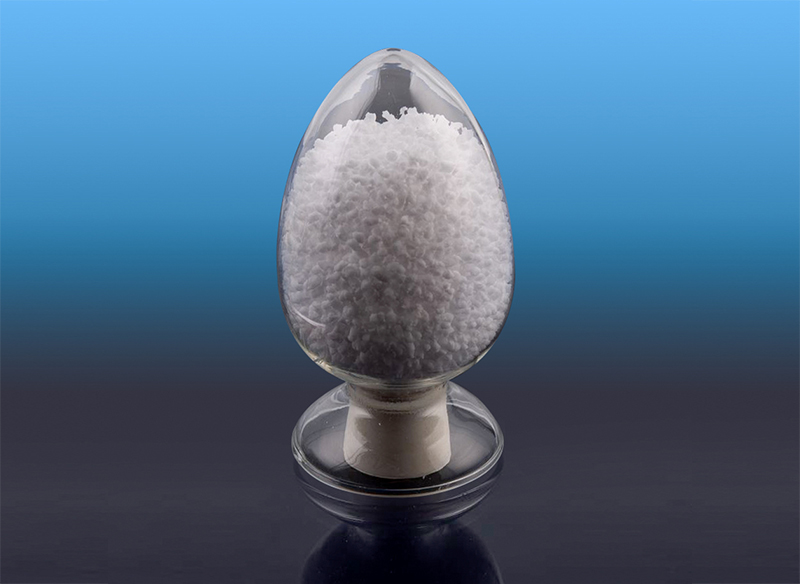
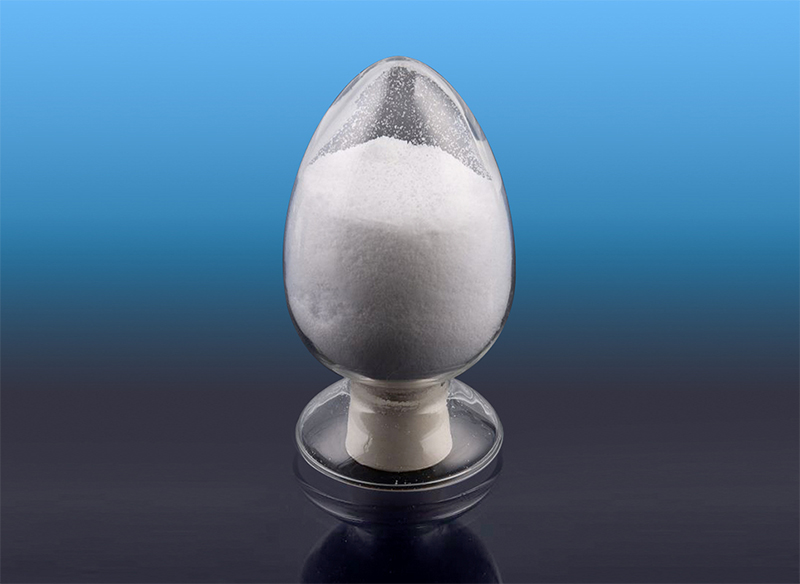
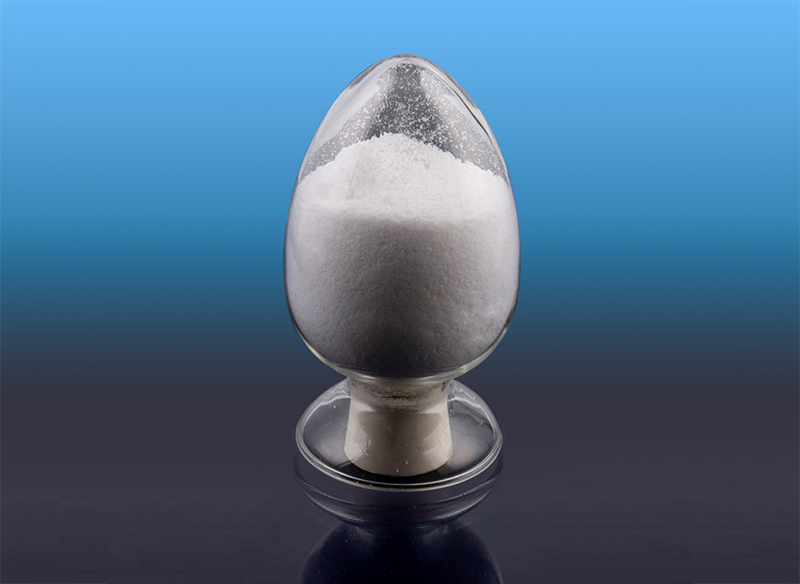
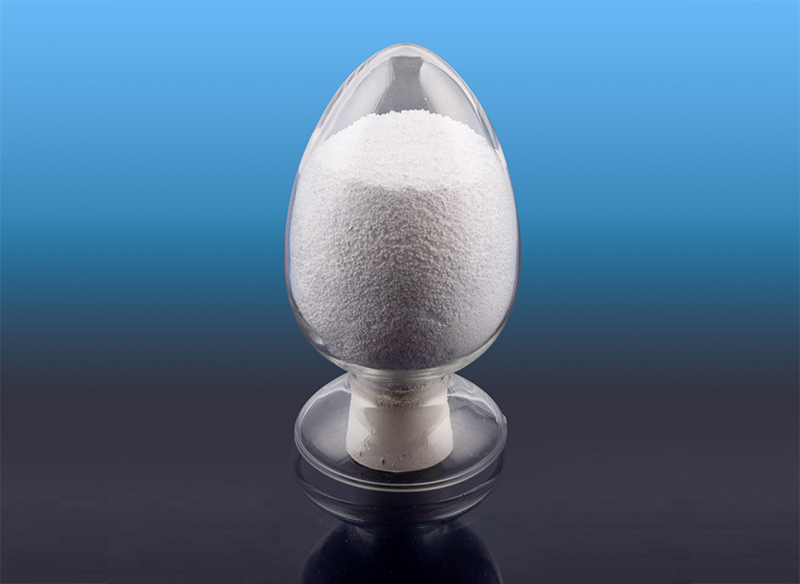
- Form faktörü: EP, her biri farklı alt işleme yöntemlerine uygun olan, balyalanmış katı kauçuk, kırıntı veya çözelti halinde mevcuttur.
- Mevzuata uygunluk: Tıbbi veya gıdayla temas eden uygulamalar için, sınıfın FDA uyumluluğu veya REACH uyumluluk belgeleri gibi uygun sertifikaları taşıdığından emin olun.
Geliştirme sürecinin başlarında EP tedarikçinizin teknik ekibine danışmanız önemle tavsiye edilir. Çoğu büyük üretici, uygulama testi desteği sunar ve özel hizmet ortamınıza, düzenleyici gerekliliklerinize ve işleme ekipmanı kısıtlamalarınıza göre dereceler veya bileşim yaklaşımları önerebilir.